Water scarcity and the pressure on conventional water sources are major challenges in many Mediterranean regions.
Agriculture requires reliable water supplies, while the quality and availability of conventional sources can vary
considerably.
Within NPower, six pilot technologies are being demonstrated to recover and reuse nitrogen (N) and phosphorus (P)
from different streams. These technologies will contribute to the production of eight recovered fertilisers and
support a more circular and efficient use of nutrients across Europe.
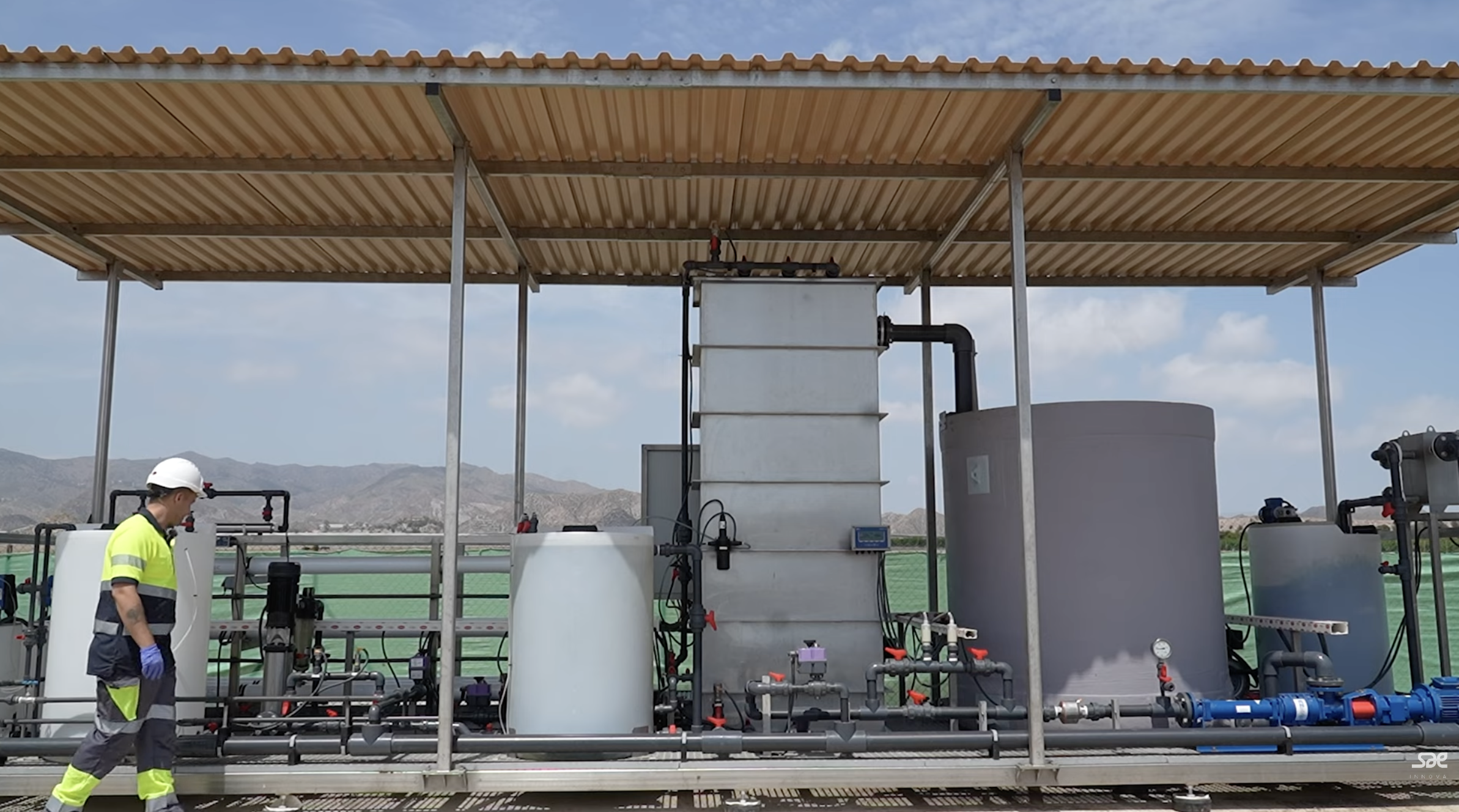
One of these pilots is led by Cetaqua, a water technology centre specialising in sustainable water management and
circular solutions. The technology is being operated at pilot plants located in Águilas and Cabezo Beaza, in the
Region of Murcia, and focuses on producing high-quality reclaimed water that retains nitrogen (N) for agricultural
use.
From urban wastewater to a resource for irrigation
Conventional wastewater treatment processes commonly remove nitrogen from water. The NPower pilot follows a different
approach by retaining this nutrient and recovering it within reclaimed water that can be used for agricultural irrigation.
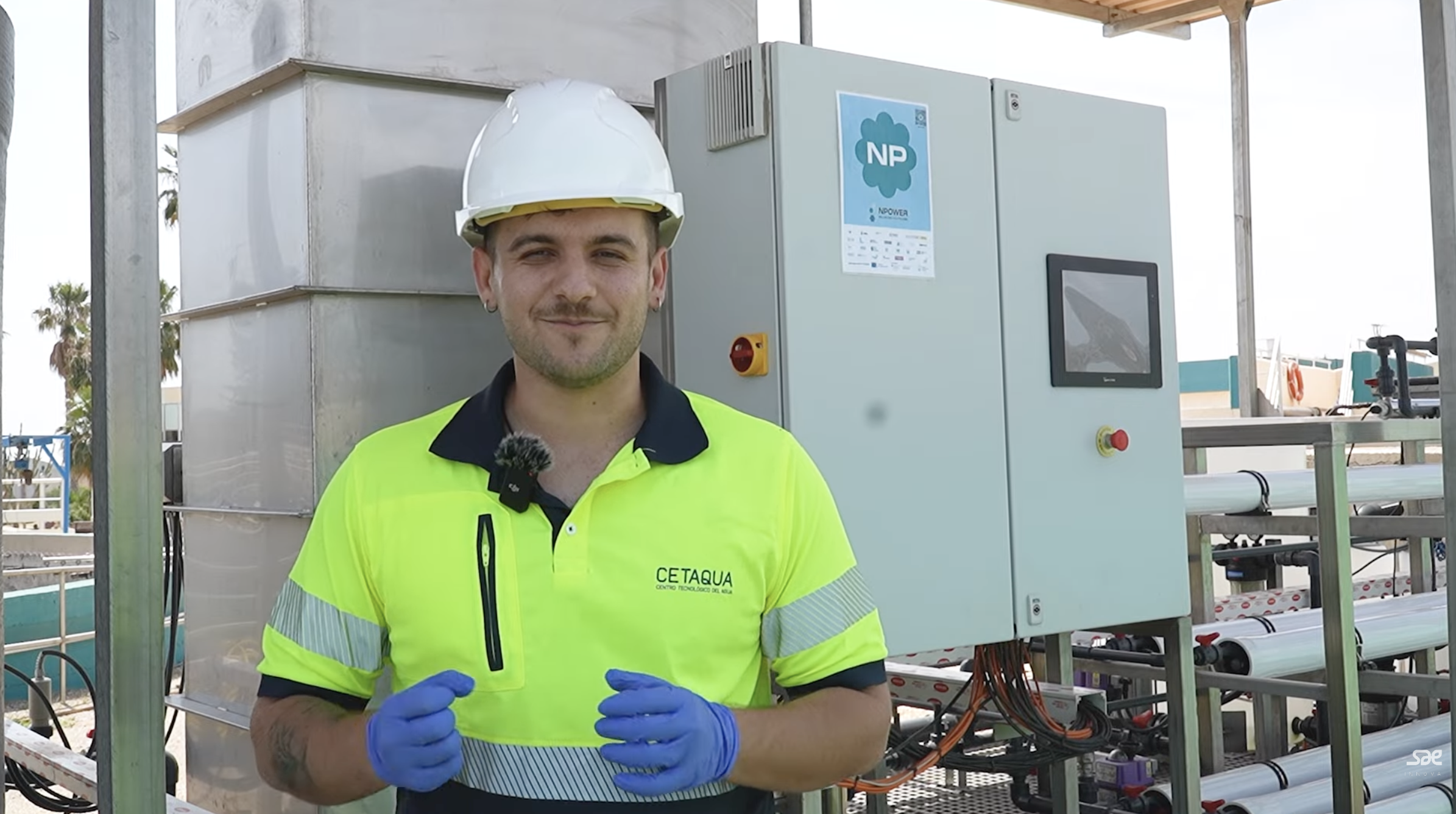
As Kevin Molina Gil, researcher and pilot technician at Cetaqua, explains:
“What we do is obtain nitrogen-rich water from urban wastewater.”
The resulting water can therefore provide two resources at the same time: water for irrigation and nitrogen (N)
that can contribute to crop nutrition.
How does the technology work?
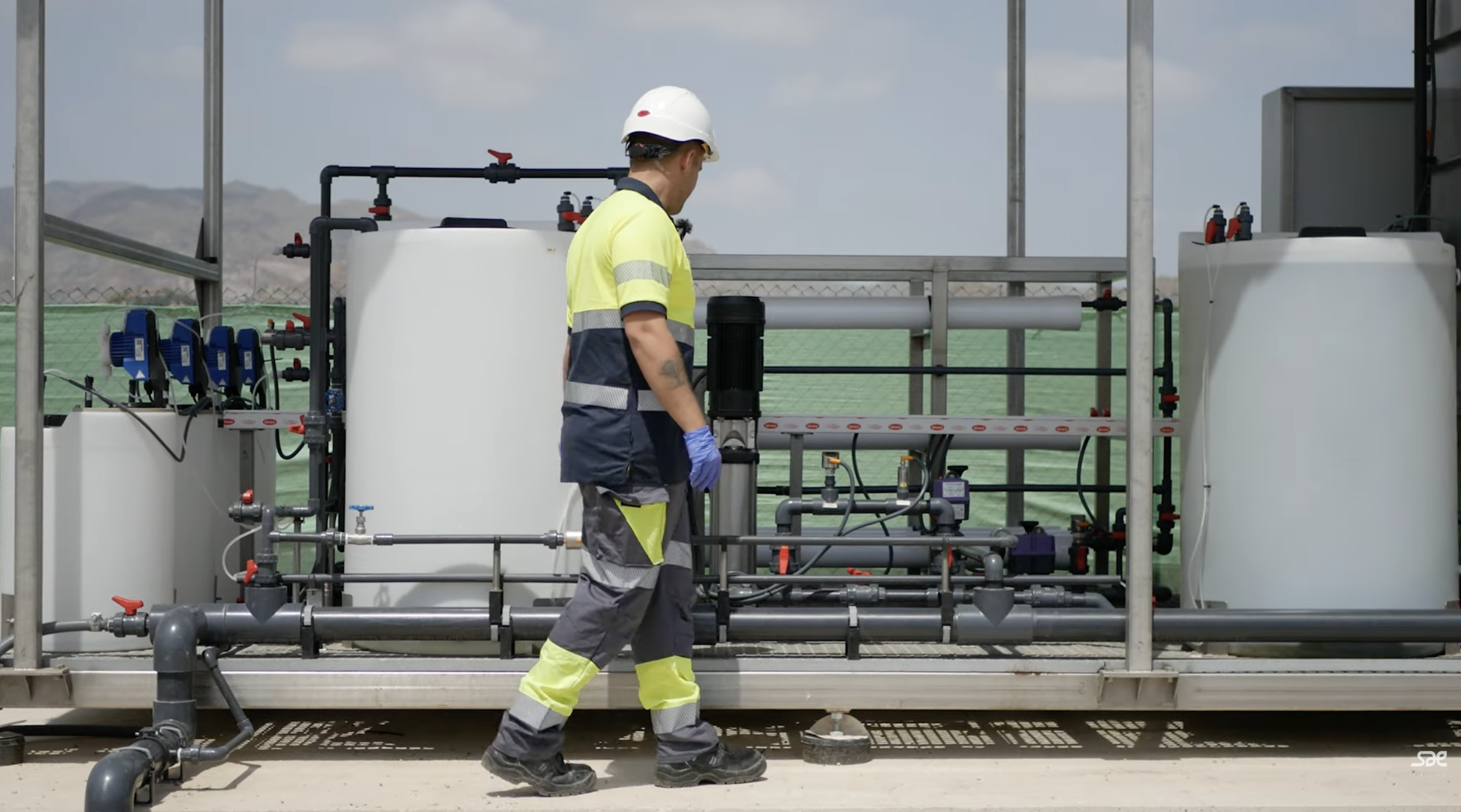
The treatment system consists of four main stages.
First, a rotary screen filters the wastewater and prevents larger solids from entering the following units.
The water then enters a high-rate activated sludge reactor, coupled with an ultrafiltration membrane. The membrane acts
as a physical barrier, separating the biomass from the treated water, while part of the biomass is recirculated to maintain
the biological process active.
The third stage uses nanofiltration to reduce the water’s electrical conductivity and achieve the quality required for
agricultural irrigation.
Finally, an ultraviolet treatment inactivates bacteria, viruses and other pathogens, providing an additional safety barrier
before the reclaimed water is used.
The system is designed to produce water suitable for agricultural irrigation in line with European and Spanish regulatory
requirements.
Water, nutrients and lower energy consumption
The pilot brings together several potential benefits.
By retaining nitrogen (N) in the reclaimed water, the system can reduce the need for part of the external fertiliser inputs
used by farmers. At the same time, it provides an alternative source of irrigation water in areas affected by water scarcity
and pressure on aquifers.
The high-rate activated sludge process also aims to reduce the energy consumption associated with the biological reactors used
in conventional wastewater treatment plants.
For wastewater operators, this approach supports the transition from treatment plants towards resource recovery facilities, where
water and nutrients can be returned to productive systems.
Initial investment and social acceptance are also important considerations. Farmers and consumers need clear information about the
origin, safety and quality of reclaimed water.
Kevin highlights that this water can achieve very high quality standards:
“Farmers and consumers need to know where the water comes from and be aware of the quality it can provide, which can sometimes be
higher than that of conventional water sources.”
Through this pilot, NPower is exploring how urban wastewater can provide water and nutrients for agriculture, supporting more resilient
water systems and a circular use of nitrogen (N).
Watch the video below to visit the pilot and learn directly from the Cetaqua team how the technology works.
Play