Are you working on a nutrient management practice?

CONTRIBUTE YOUR INPUT
Expansive body of water with distant mountains, creating a picturesque natural scene in broad daylight.

NPower

Balancing Nitrogen and Phosphorus flows by budgeting at regional scale

A European initiative aimed at reducing Nitrogen (N) and Phosphorus (P) emissions while optimising nutrient flows across key sectors. The project develops practical solutions that promote sustainable agriculture, responsible industry, and effective environmental management.

Aerial view of a vibrant city skyline meeting the blue expanse of the ocean under a clear sky.

Why can nutrients become a problem?

Excess Nitrogen and Phosphorus can cause eutrophication in water bodies, soil degradation, and poor air quality, affecting biodiversity and ecosystem balance. The challenge lies in finding an efficient use of nutrients that minimises their environmental impact.


Key nutrient-emitting sectors

Agriculture
Agriculture

Diffuse Nitrogen and Phosphorus emissions originate from farming and livestock activities, mainly due to the overuse of fertilisers and unintentional losses through leaching and volatilisation.

Other primary sectors

This includes aquaculture, forestry, and mining. For example, aquaculture releases around 57% of its Nitrogen and 76% of its Phosphorus, resulting in global emissions estimated at 2.1 Tg N per year.

Wastewater management

In cities and other densely populated areas, wastewater and urban waste are major sources of Nitrogen and Phosphorus. If not properly managed, these discharges can damage rivers, lakes, and other freshwater ecosystems.

Energy and transport

These sectors are responsible for 58% of Nitrogen oxide (NOx) emissions in Europe (2020). NOx is a powerful greenhouse gas with a global warming potential 273 times higher than CO₂.

Industrial sectors
Industrial sectors

Industry accounts for around 15% of Nitrogen oxide (NOx) emissions in the EU, with ammonia production alone responsible for about 2% of global emissions, mostly linked to fertiliser manufacturing.

How can we improve nutrient management?

PC Icon
Implementing an innovative software model to estimate and balance Nitrogen and Phosphorus flows.

Latest News

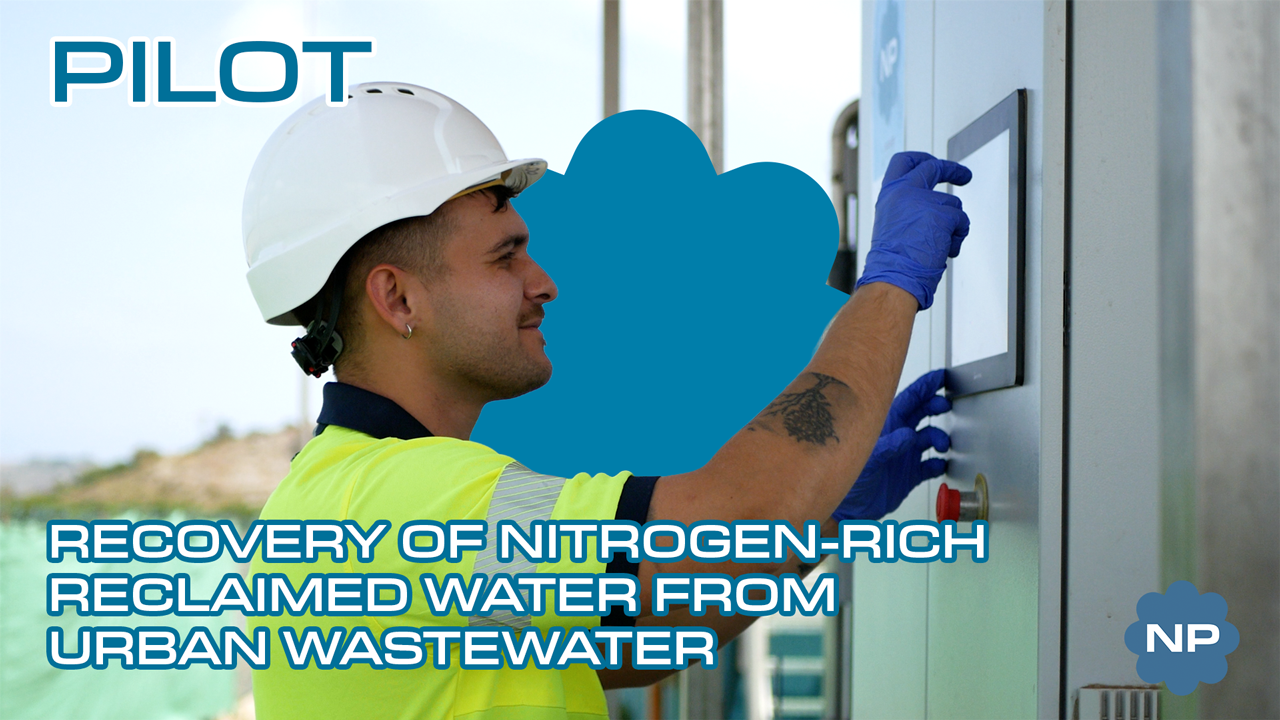
Recovering nitrogen-rich reclaimed water for agriculture: NPower’s Cetaqua pilot

Recovering nitrogen-rich reclaimed water for agriculture: NPower’s Cetaqua pilot

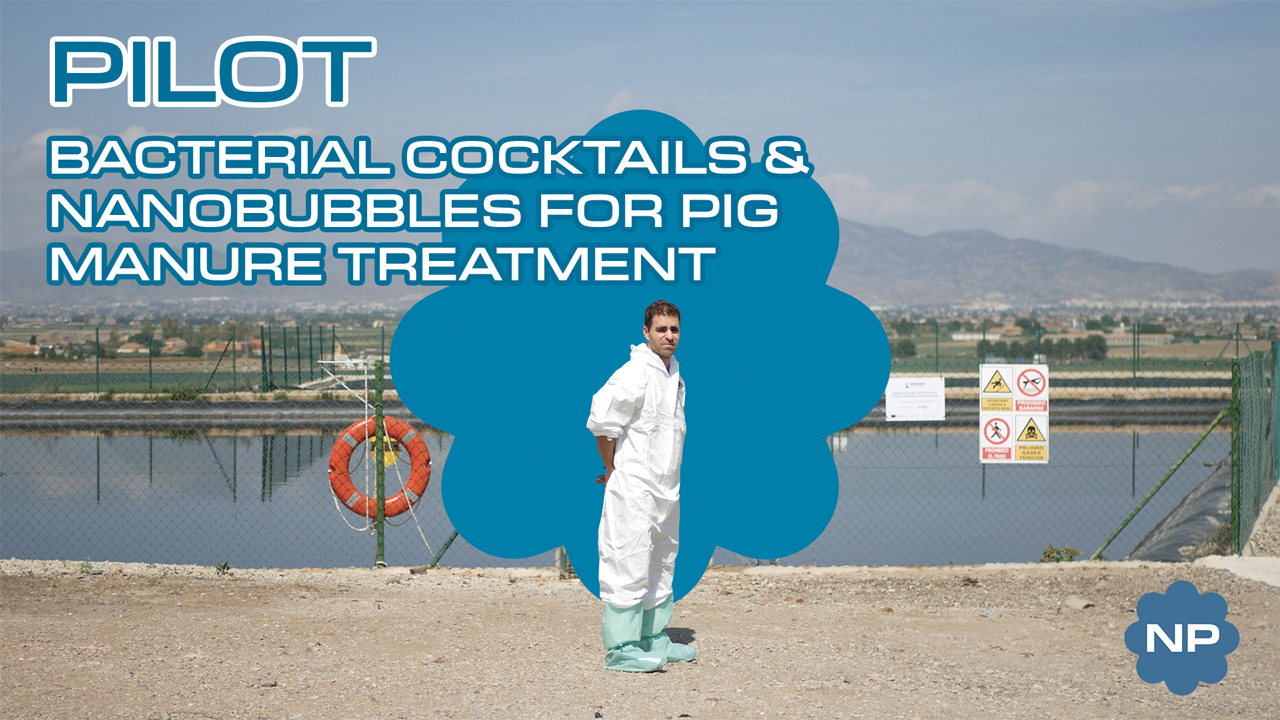
Giving pig manure a second life: NPower’s biological treatment pilot

Giving pig manure a second life: NPower’s biological treatment pilot

Pig manure is often perceived as a waste management challenge. However, it also contains valuable nutrients that, if properly managed, can become an important resource for agriculture while reducing environmental impacts.
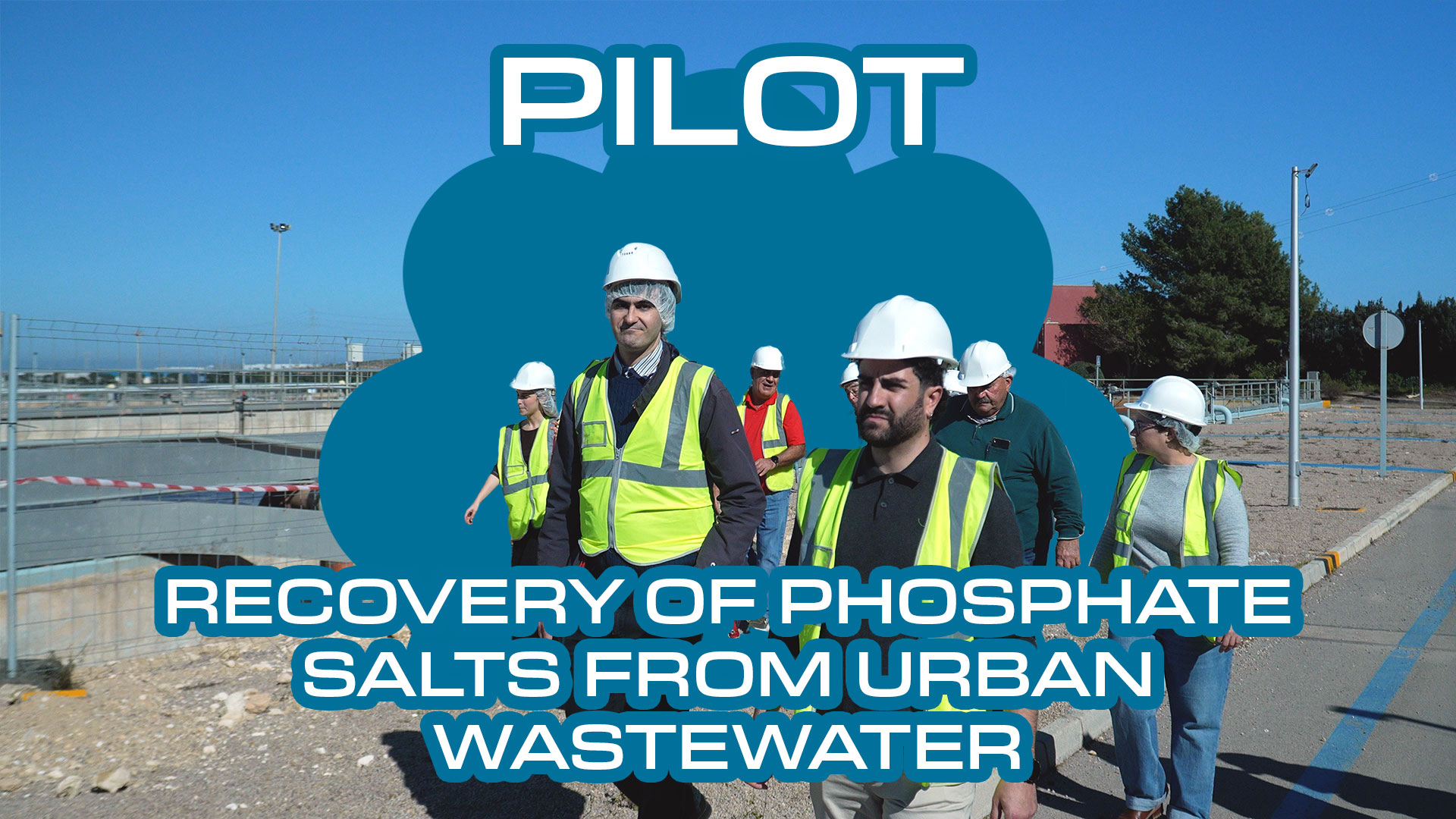
Turning wastewater into a resource: NPower’s phosphorus recovery pilot

Turning wastewater into a resource: NPower’s phosphorus recovery pilot

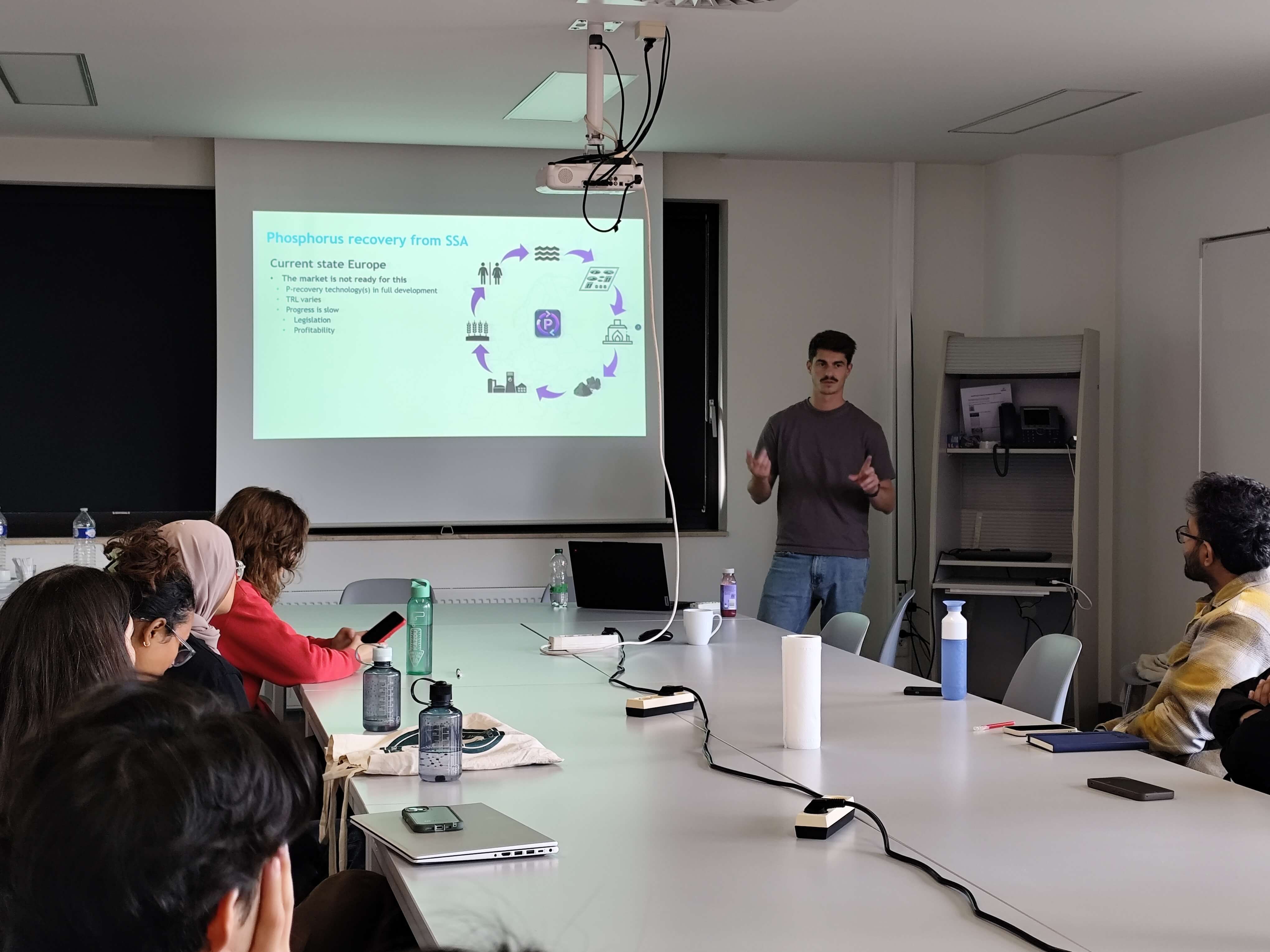
Insights emerging from the Spanish Regional Cluster

Insights emerging from the Spanish Regional Cluster

Regional context and focus

Insights emerging from the Belgian Regional Cluster

Insights emerging from the Belgian Regional Cluster

Regional context and focus

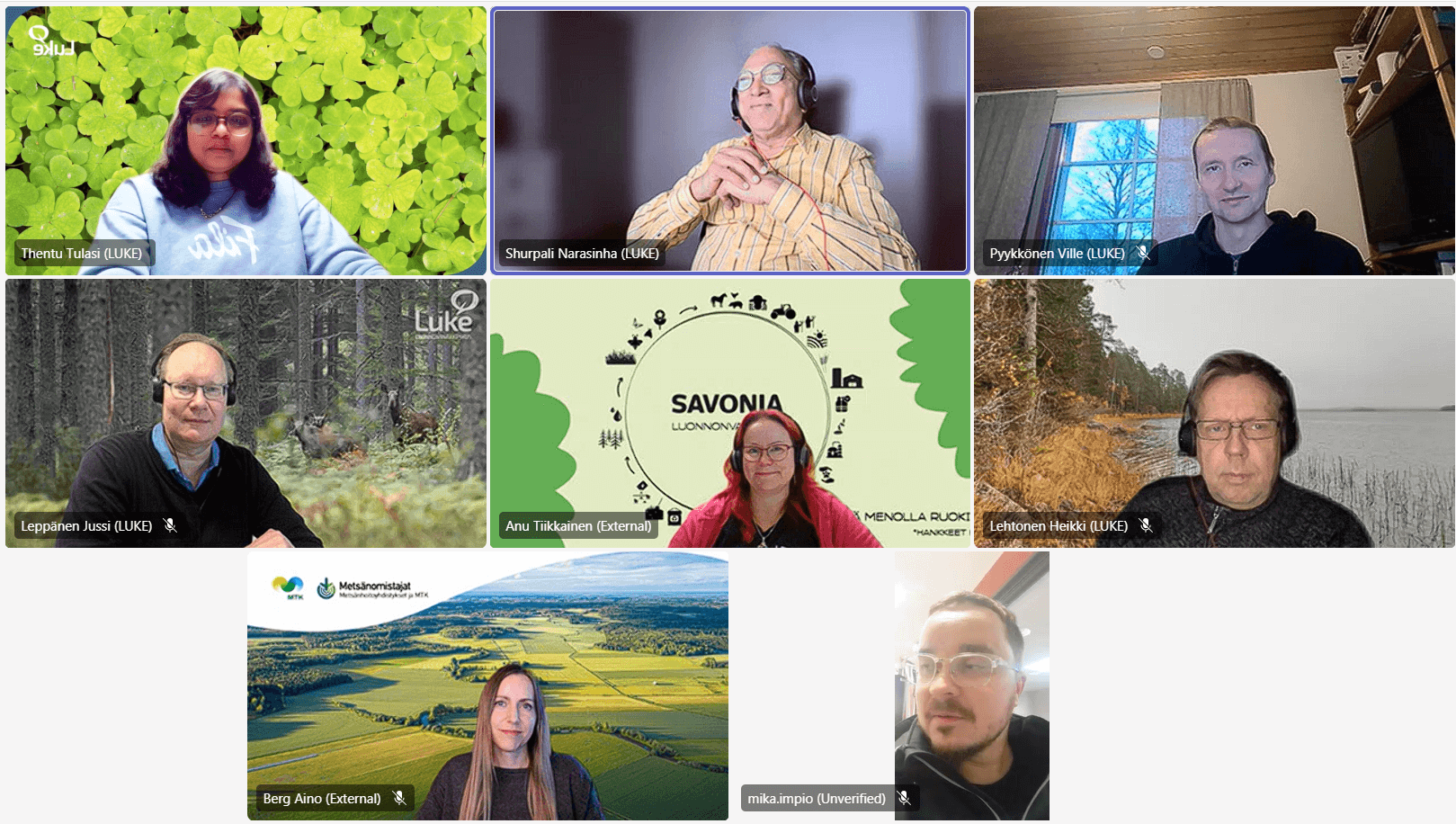
Insights emerging from the Finnish Regional Cluster

Insights emerging from the Finnish Regional Cluster

Regional context and focus

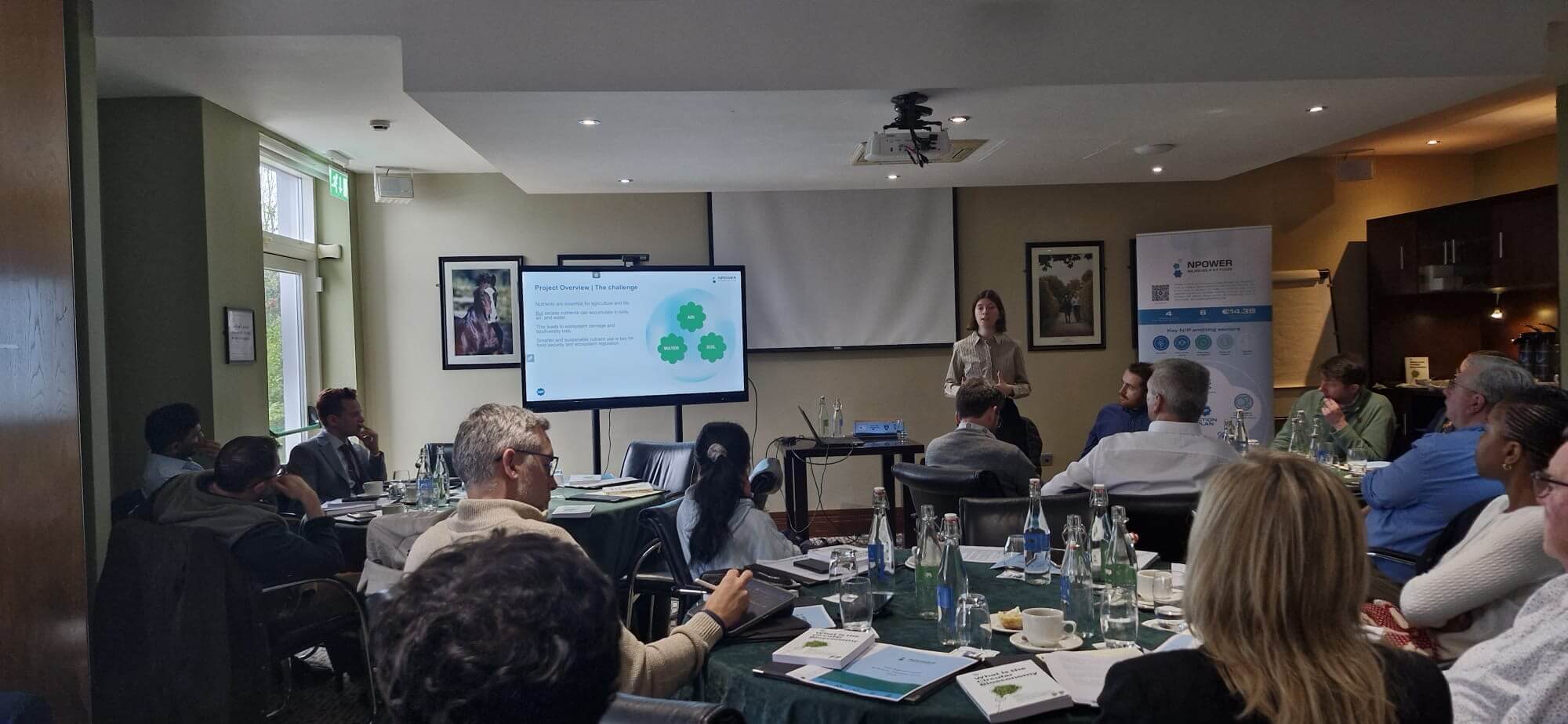
Insights emerging from the Irish Regional Cluster

Insights emerging from the Irish Regional Cluster

Regional context and focus

NPower launches cycles of Multi-Actor Transition (MAT) workshops across Europe

NPower launches cycles of Multi-Actor Transition (MAT) workshops across Europe

All four NPower Regional Clusters are now active across Europe

All four NPower Regional Clusters are now active across Europe

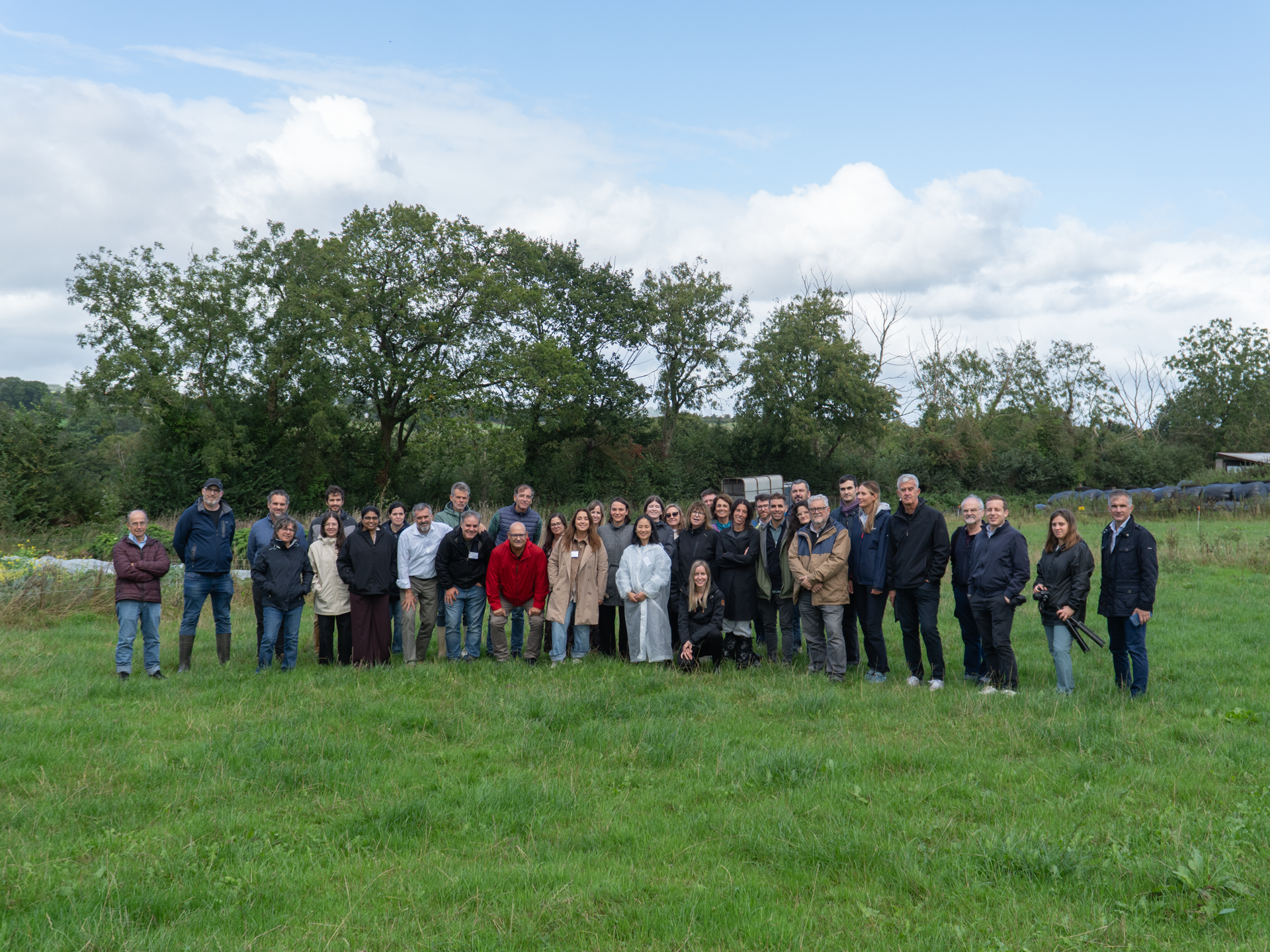
The NPower project has officially launched its four Regional Clusters (RCs) in Spain, Belgium, Finland, and Ireland. Each of them plays a central role in setting NPower’s work on the ground, acting as platforms to connect innovation with the realities of each territory.