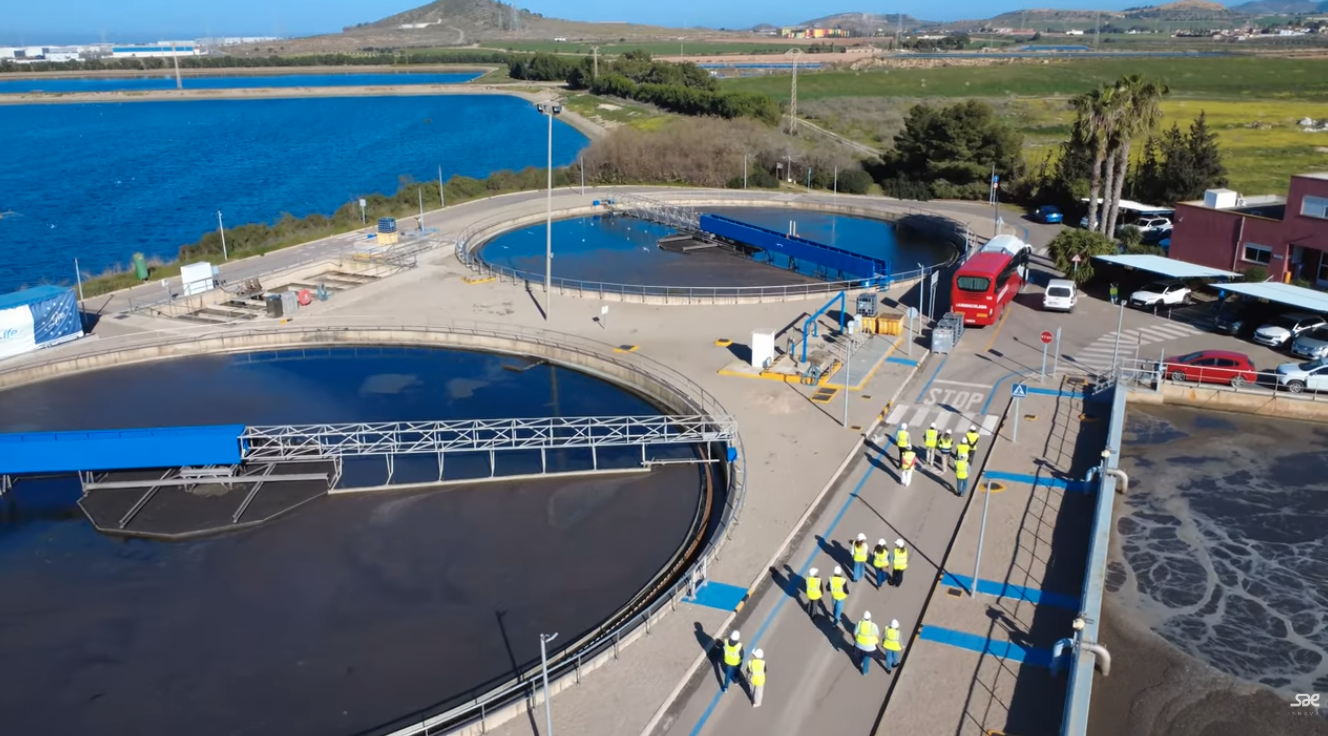
Phosphorus is an essential nutrient for agricultural production, yet Europe remains highly dependent on imported
mineral fertilisers and finite phosphate resources. At the same time, significant amounts of phosphorus contained
in wastewater are often removed during treatment processes and remain underutilised.
To help address this challenge, NPower is demonstrating six pilot technologies across Europe aimed at recovering
and reusing nitrogen (N) and phosphorus (P) from different waste streams. Together, these pilots will contribute
to the development of recovered fertilisers and nutrient management solutions that support a more circular use of
resources.
Two of these six pilots are being developed by Cetaqua and one of them focuses on the recovery of phosphorus salts
from wastewater streams.
Recovering phosphorus with agronomic value
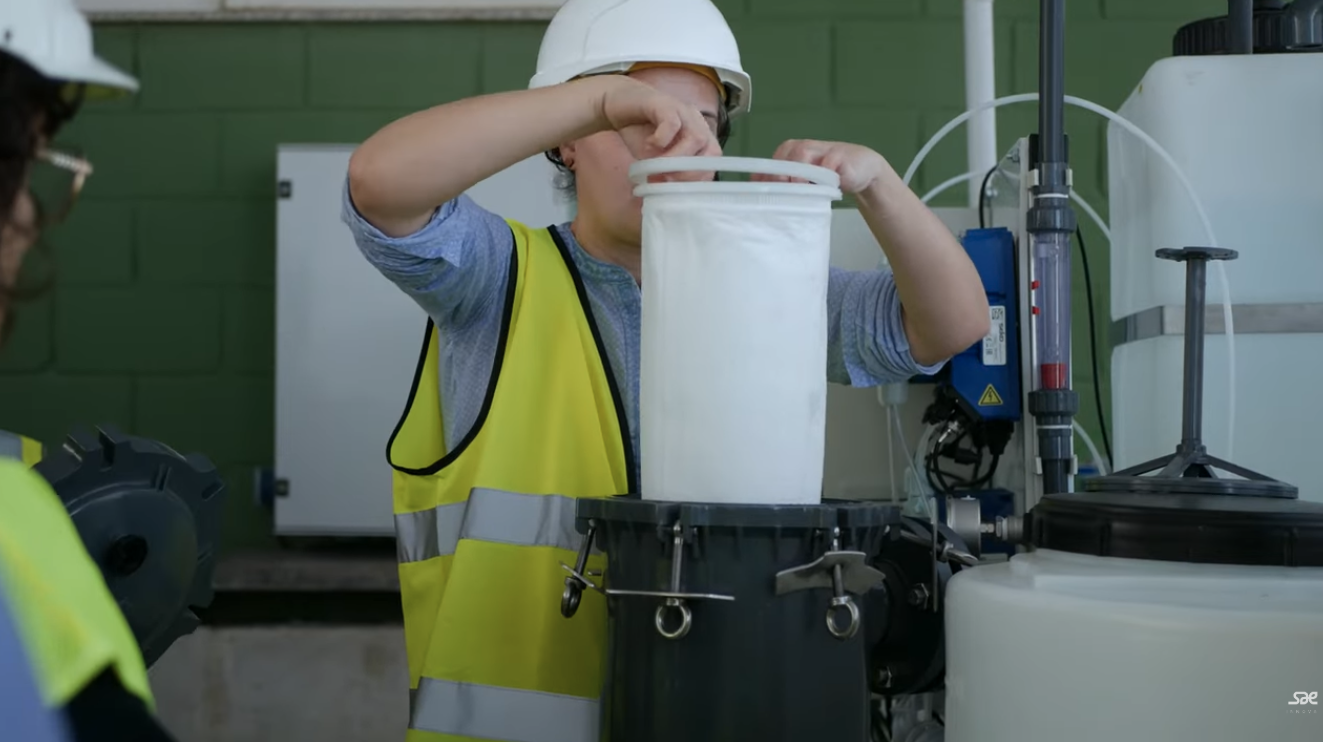
The pilot integrates several treatment stages designed to capture and recover phosphorus that would otherwise remain
locked within wastewater treatment processes.
The system combines a biological phosphorus removal reactor, a nutrient release stage and a precipitation unit.
Through these integrated processes, phosphorus is concentrated and recovered in the form of phosphorus salts with
agronomic value, creating a secondary raw material that can be used in fertiliser production.
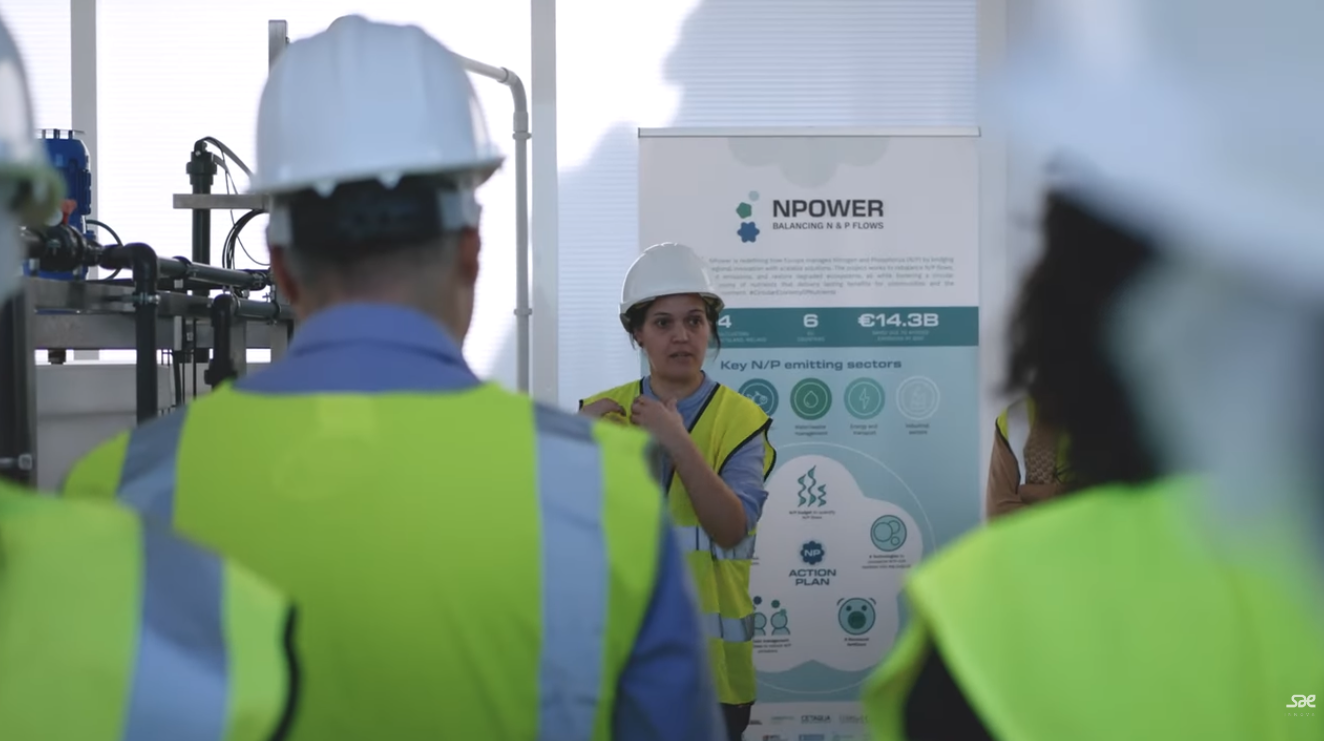
As explained by Lidia Paredes Barros, researcher at Cetaqua:
“The main objective of the pilot is to demonstrate that the technologies we have integrated can recover phosphorus
salts with agronomic value that meet the quality criteria required for fertilising products, while also demonstrating
the economic viability of the process.”
By recovering phosphorus from wastewater, the pilot contributes to transforming what has traditionally been considered
a waste stream into a valuable resource.
Benefits beyond nutrient recovery
The pilot’s potential impact extends beyond the production of recovered fertilisers.
According to Lidia Paredes Barros, the technology could create new opportunities for wastewater treatment operators by
generating products with commercial value and opening the door to new business models.
At the same time, the process supports compliance with wastewater discharge requirements, helping treatment facilities
meet environmental standards while recovering valuable nutrients.
The recovered phosphorus products could also partially replace mineral fertilisers currently imported from outside Europe,
contributing to greater resource efficiency and nutrient circularity.
Building circular nutrient systems
The Cetaqua pilot demonstrates how wastewater treatment infrastructure can become part of a circular nutrient economy,
recovering valuable resources while continuing to fulfil its core environmental function.
As NPower progresses, insights from this pilot will contribute to the development and validation of recovered fertilisers,
supporting the project’s wider ambition to rebalance nitrogen and phosphorus flows and promote more sustainable nutrient
management systems across Europe.
Watch the video and interview below to learn more about the pilot and hear directly from the team behind the technology.
Play