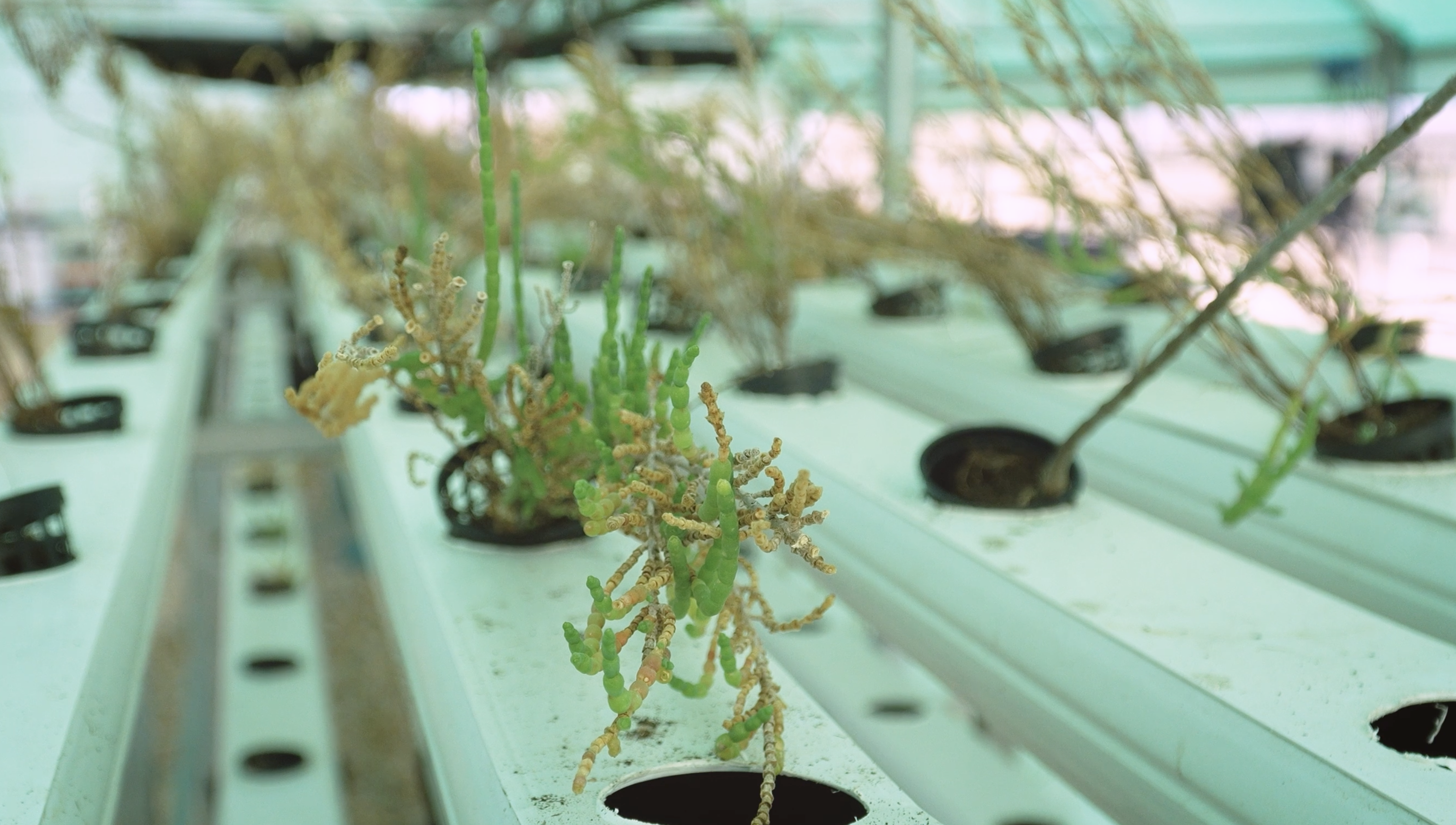
In San Pedro del Pinatar, Murcian Institute of Agricultural and Environmental Research and Development (IMIDA) is measuring how much of the nitrogen and phosphorus released by fish farming can be captured, and which species could turn that clean-up into a source of income.
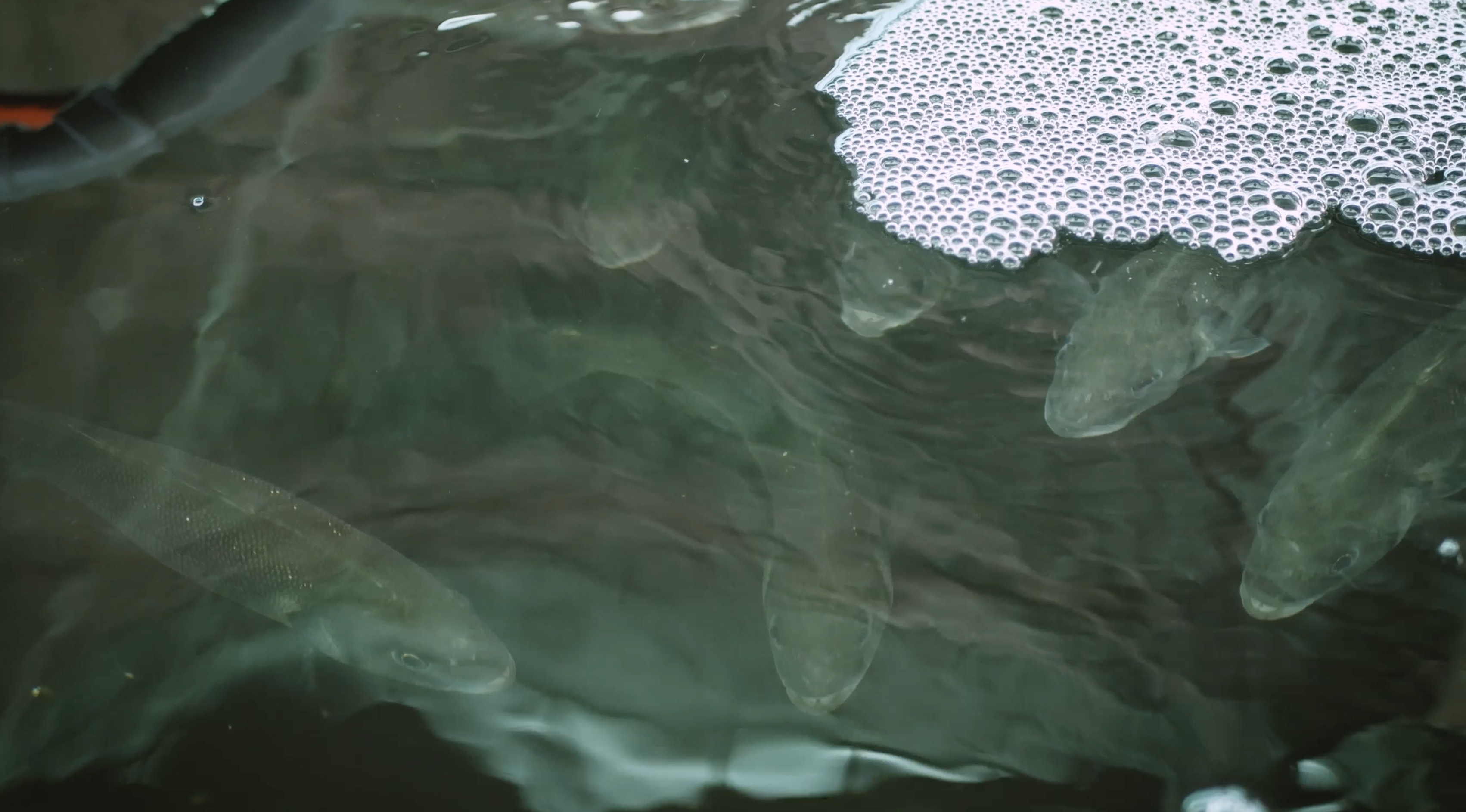
Fish farming has a nutrient management problem that is easy to miss. Fish are fed at sea, and whatever they do not eat ends up in the water, along with their waste. Some of it dissolves, some stays suspended and some settles on the seabed. That load is rich in nitrogen (N) and phosphorus (P), the same nutrients NPower is working to rebalance across the Region of Murcia.
At IMIDA’s Marine Resources Center in San Pedro del Pinatar (Region of Murcia, Spain), one of NPower’s six nutrient-recovery pilots is tackling this problem. The pilot works with Salicornia, a land plant that tolerates very high salinity, grown with nutrient-rich effluent from fish production. As the plants grow, they take up nitrogen and phosphorus from the water. The result is Salicornia biomass, a plant valued in the food and cosmetics sectors, and cleaner seawater.
Measuring before reducing
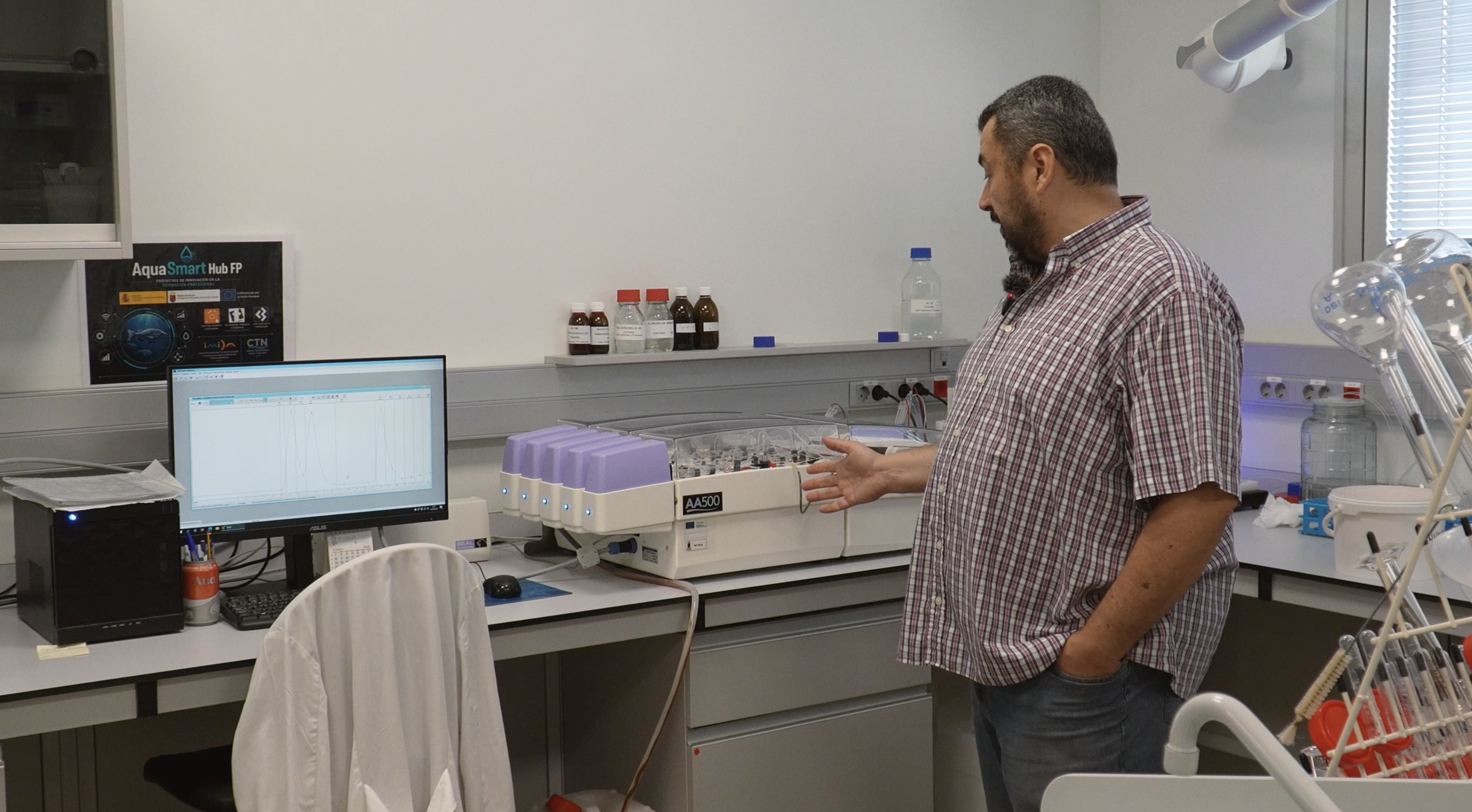
The first step is knowing exactly what is in the water. “The first objective is to identify the flows quantitatively, to know exactly how much of the waste can be reduced with plants, how much of the waste can be reduced with filters”, explains Manuel Velázquez, the IMIDA research technician developing the pilot for NPower.
That means sampling every day. The water goes to an analyser with five independent lines that measures ammonium, nitrite, nitrate, phosphate and silicate. Its results guide decisions as the pilot runs.
Cleaning water without adding a cost
The goal is to clean the water in a way that pays for itself. The team is looking for species that reduce pollution and also give the farm something it can sell. On land, that species is Salicornia. For open-sea farms, where practical options are still lacking, the candidates are sponges, filter-feeding molluscs and algae. Once the flows are quantified, the next question is which species offers the best return.
Velázquez says the Salicornia system “is very scalable; it can be adapted to these changes and used to reduce the input of nitrogen and phosphorus into nature.”
Part of a wider picture
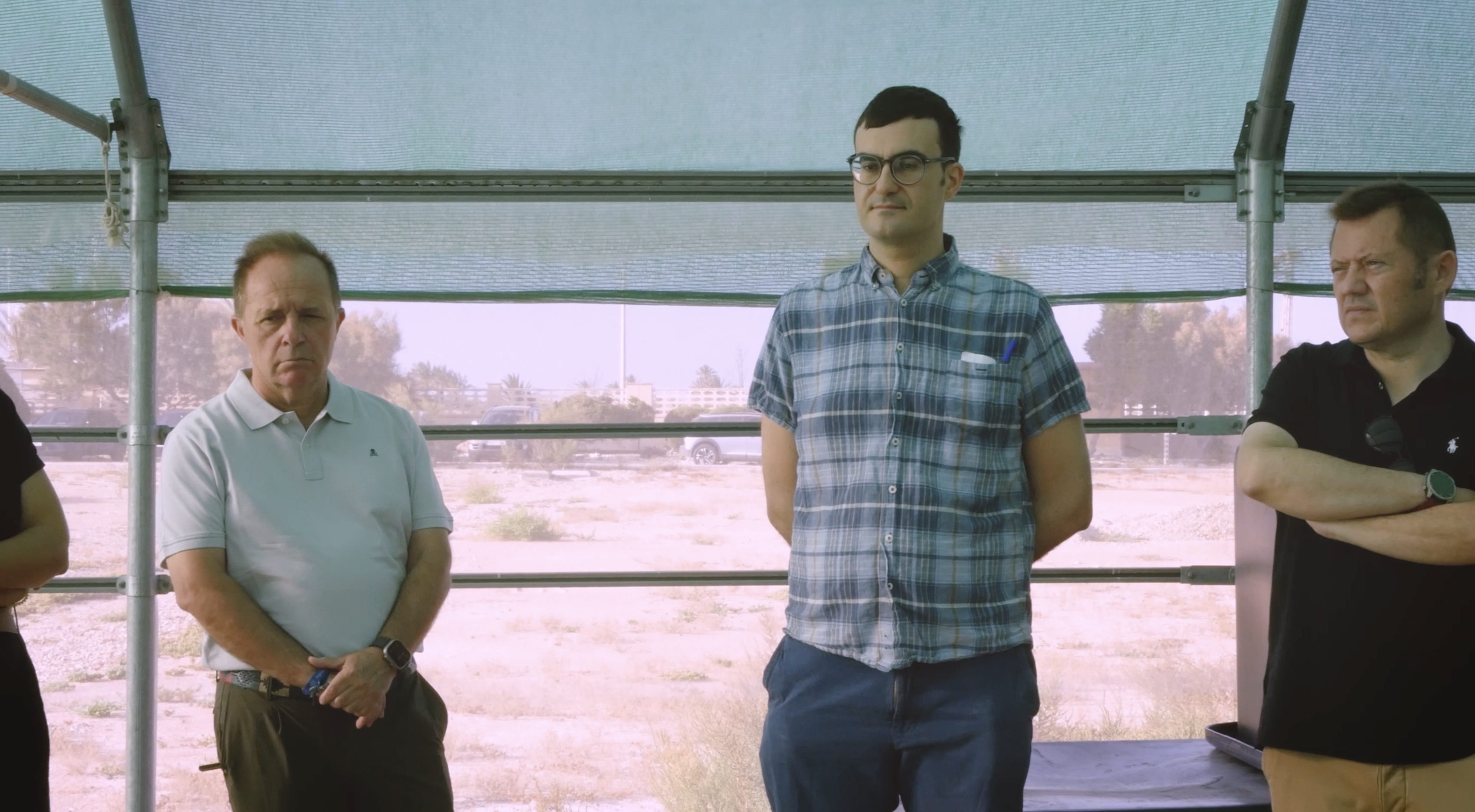
The IMIDA pilot is one of six technologies NPower is demonstrating in the Region of Murcia to recover nutrients. The others work with agri-food residues, livestock manure, urban wastewater and run-off water. This pilot is not designed to produce a recovered fertiliser. Its value lies in keeping nutrients out of the sea and turning them into a useful crop.
Watch the video
Play